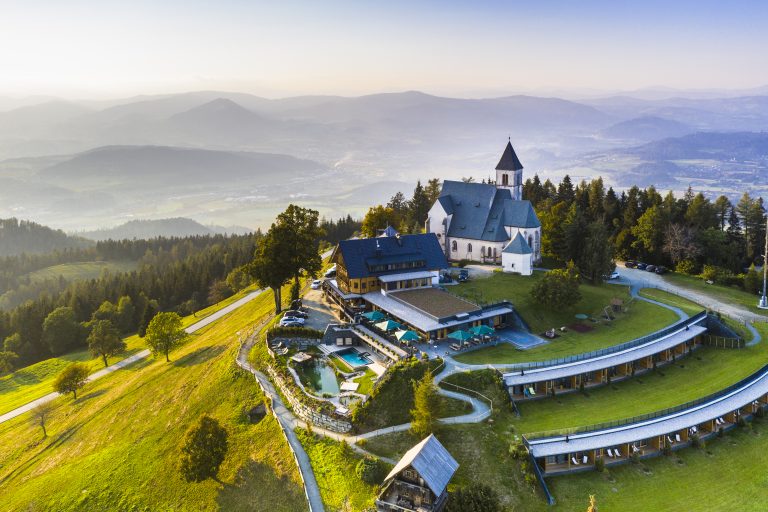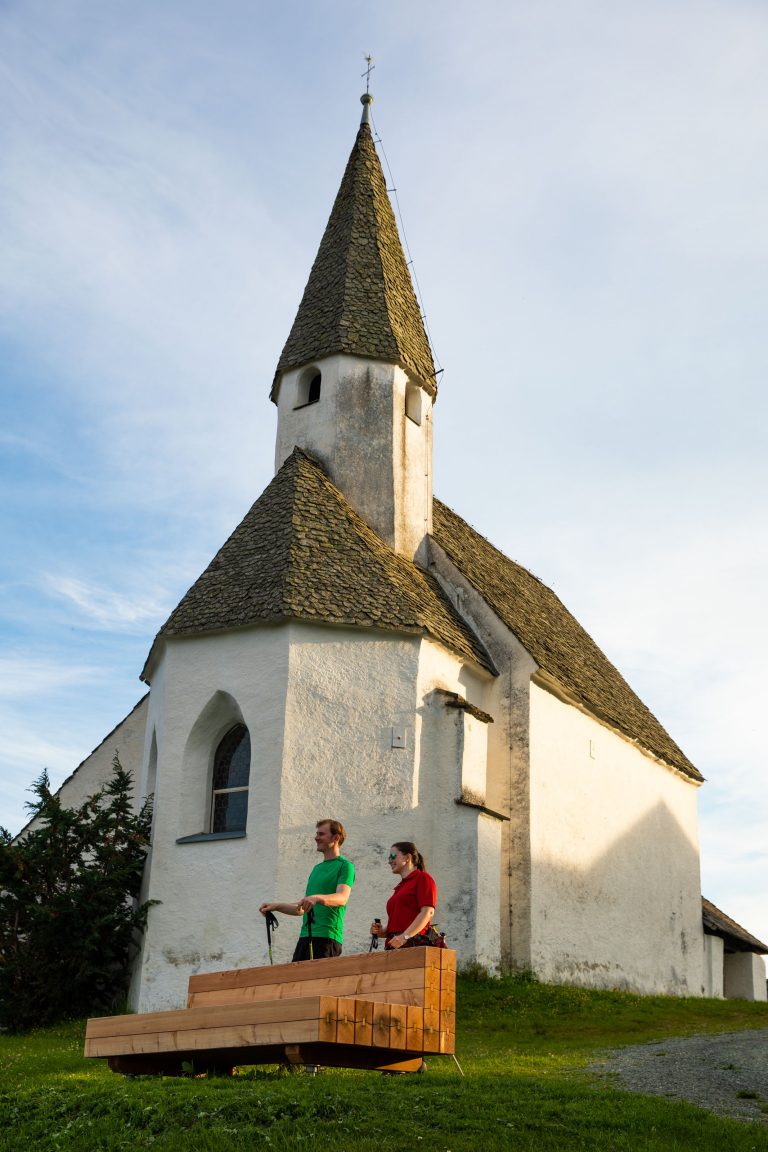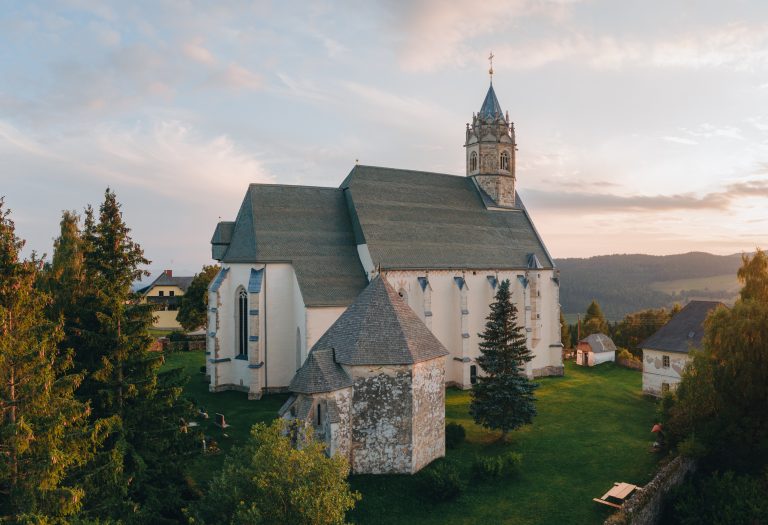
The pilgrimage routes in Carinthia are a true nature experience! Today, pilgrimage is much more than hiking with a religious purpose. Pilgrimage is about the spiritual experience, the slow journey and slowing down.
Classic pilgrimage routes – “self-guided” – in Central Carinthia
Gurk – the sacred center
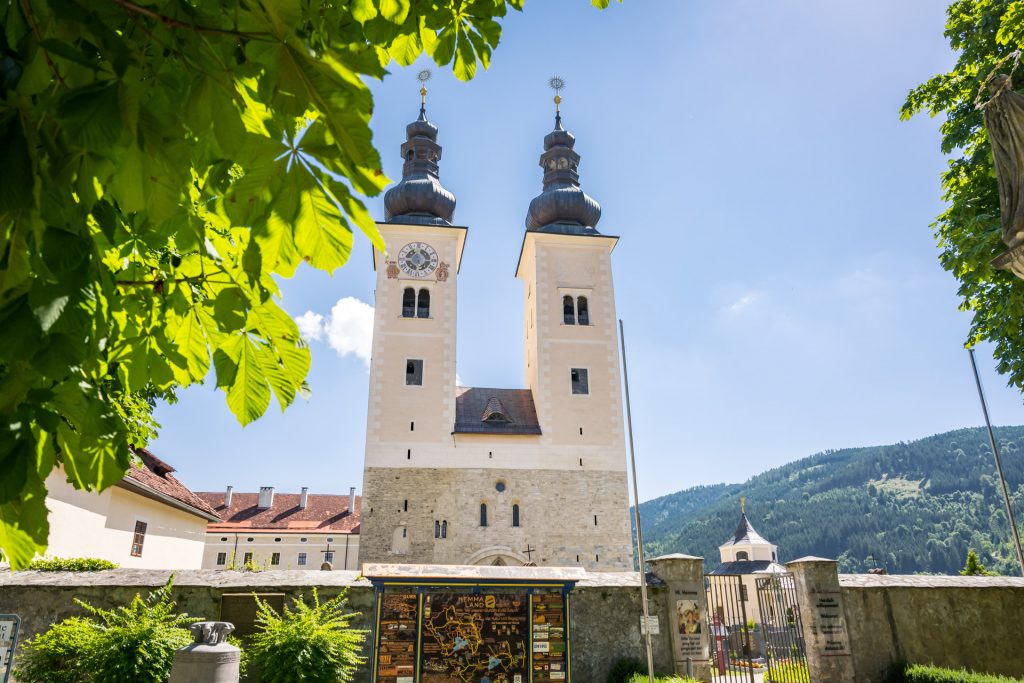
“All roads lead to Gurk”, because pilgrims come to the cathedral from all directions to visit the tomb of St. Hemma. The starting points of the 8 routes that lead to Gurk in a star shape are: Sveta Ana and Črna in Slovenia, Admont and St. Hemma b. Edelschrott in Styria as well as from Turrach, Millstatt, Ossiach and Karnburg.
More information about the stages here in the tour portal
The four sacred mountains
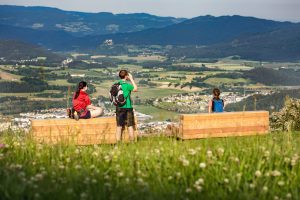
The paths to the places of worship on the four sacred mountains – Magdalensberg, Ulrichsberg, Veitsberg and Lorenziberg – were already known in Celtic and Roman times. The tradition of the “Vierbergelauf” has been documented since the Middle Ages. Every year, the “Vierbergler”, as these pilgrims are also known, meet on “Drei-Nagel-Freitag”, the second Friday after Easter. The four holy mountains can be hiked all year round in stages along the “Vierberge-Weg”.
More information about the stages here in the tour portal
TIP:
Follow in the footsteps of the historic course over the four holy mountains of Central Carinthia. The impressions along the way range from historic monasteries to picturesque castles, historic pilgrimage sites and picturesque vineyards. The best thing about it: the Vierbergeweg also works without a car and we can even transport your luggage for you!
Book the car-free long-distance hiking experience now
Marian pilgrimage
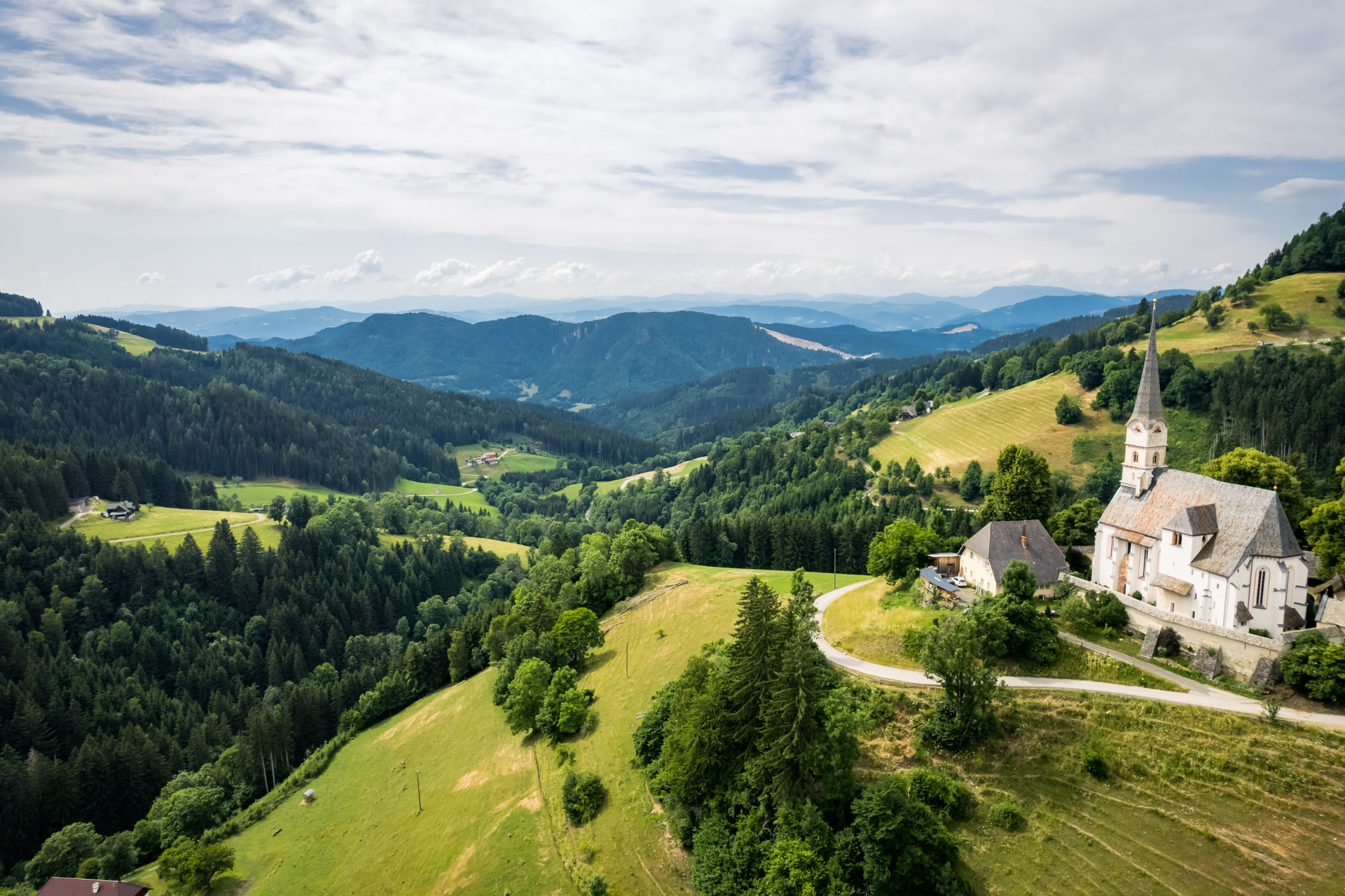
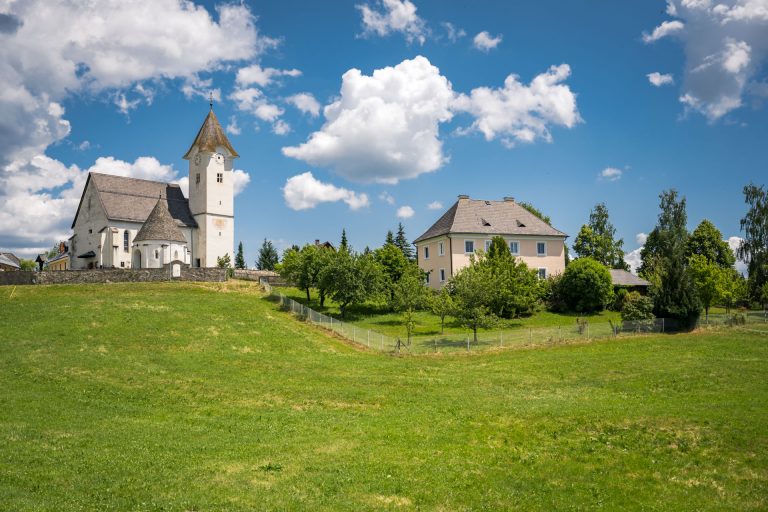
This long-distance hiking trail from Lavanttal to Lesachtal also passes through the Central Carinthia region. Unique gems along this route are the fortified churches in Diex, Grafenbach and Hochfestritz with fortifications that still look like castles today.
Tip for overnight stays: In the immediate vicinity, the former vicarage of St. Oswald near Eberstein has been converted into a pilgrims’ hostel.
You can find out more about the pilgrims’ hostel here.
Tip for devotees of Mary: The so-called “Mariendreieck” of the Central Carinthia region is formed by the pilgrimage sites of “Maria Hilf”, “Maria Waitschach” and “Maria Moos”.
More information about the stages here in the tour portal
Via Romea Strata
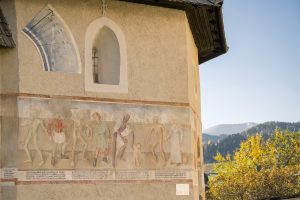
The rediscovery of this pilgrimage tour from Krakow to Rome leads right across Austria and follows the course of the Hemma pilgrimage route (Admont route) via St. Lambrecht in the Mur Valley. In the Central Carinthia region, you walk through the towns of Metnitz, Gurk and St. Veit. From Maria Saal, the route continues along the Marienpilgerweg towards Italy.
More information about this pilgrimage tour
Here you will find a detailed stage description for the self-guided tour along the Romea Strata in Central Carinthia.
Accompanied pilgrimage – “Guided Tours” – in Central Carinthia
- Hemma pilgrimage route
On eight routes & around 800 kilometers, the Hemma Pilgrimage Trail leads from all directions to Gurk to the tomb of St. Hemma in Gurk Cathedral. Gurk Cathedral.
The Carinthian Lenten cloths are historical works of art and living customs. A weekend for art-loving individualists who are looking for something special.
Spiritual highlights in Central Carinthia
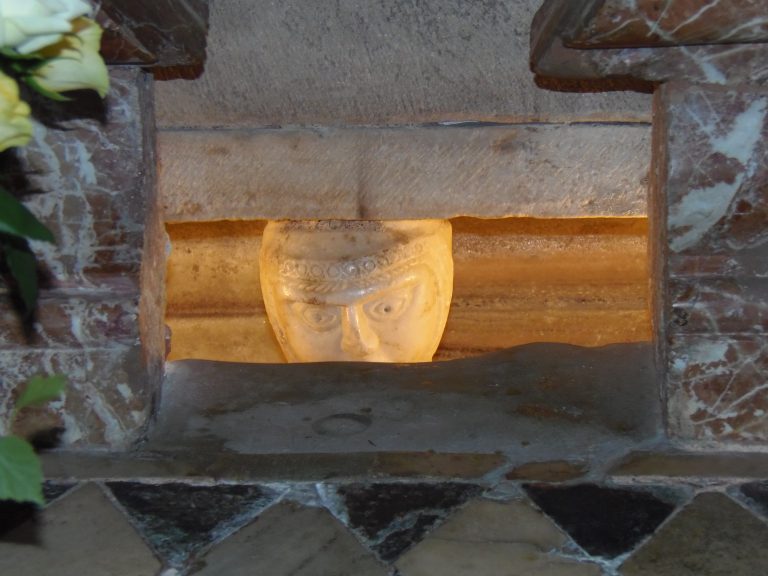
The tomb of St. Hemma in Gurk
St. Hemma was born around 980 as the Countess of Friesach-Zeltschach. Her charity and many foundations made her famous among the population. Among other things, she used her wealth to found a Benedictine convent in Gurk, which was used to found the diocese of Gurk soon after her death. The tomb of the saint in the 100-column crypt in Gurk Cathedral has been a popular pilgrimage destination for centuries.
Gurk Cathedral
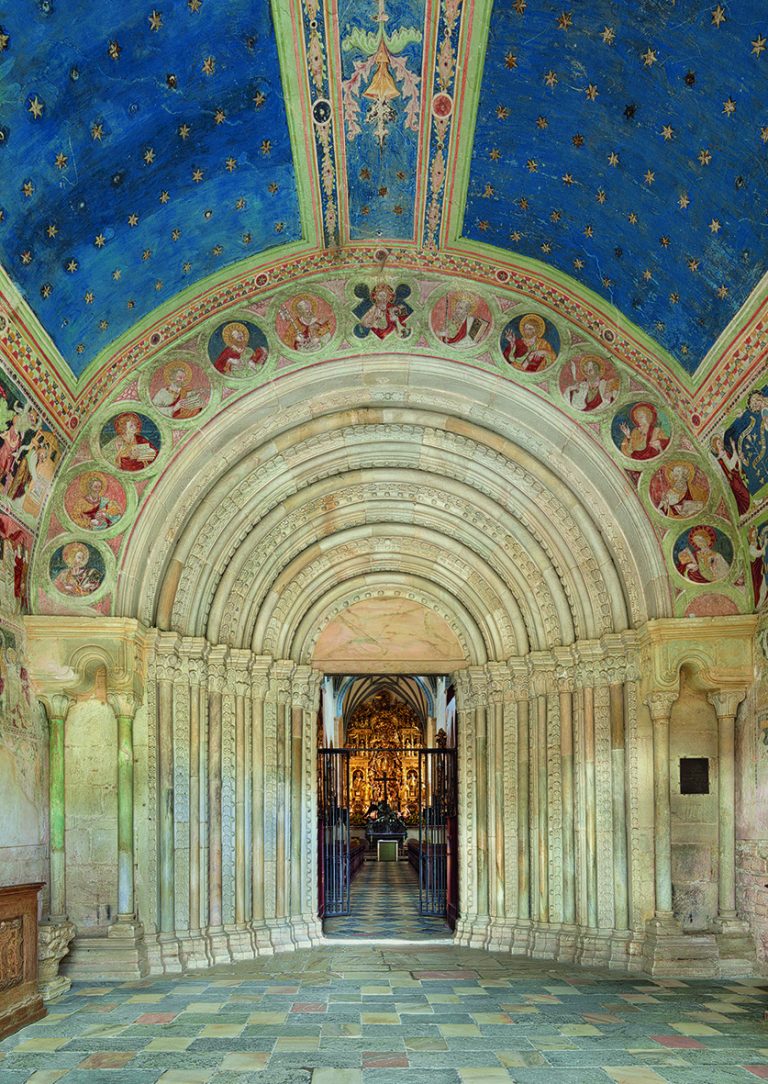
Austria’s most beautiful Romanesque cathedral fascinates with its artistic details. Wooden reliefs from the early 13th century can be seen on the door of the west portal. The vestibule is almost completely covered with wall paintings from around 1340. Above the vestibule in the bishop’s chapel, frescoes in the so-called “Zackenstil”, a transitional style from Romanesque to Gothic, are very well preserved. The baroque high altar, which is almost entirely painted in gold, contains 72 full figures and 82 angel heads.
Treasury
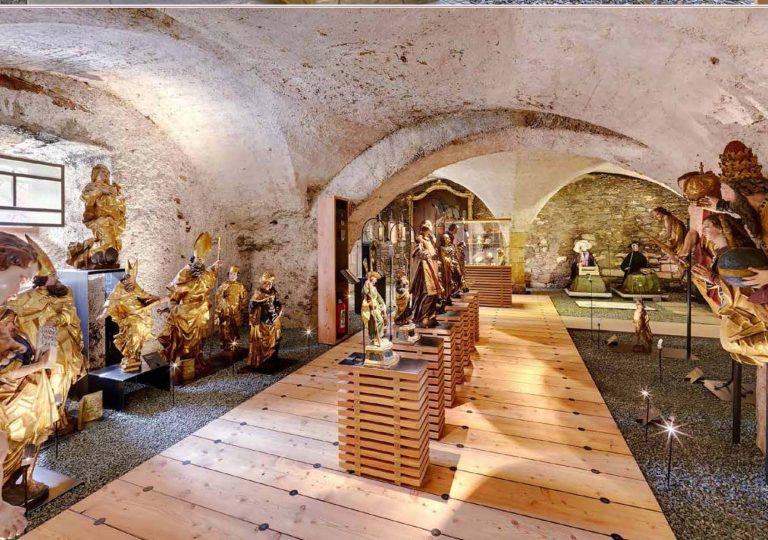
The museum in the former Propsteihof in Gurk houses precious sacred art objects from all over Carinthia, from the Romanesque to the Baroque period. In addition to liturgical vestments and equipment, works of art from glass and panel painting, sculptures, figures and various devotional objects are on display. Special features also include objects of devotion to Hemma, such as the ring that is also used for the blessing of the eyes.
Lenten cloth
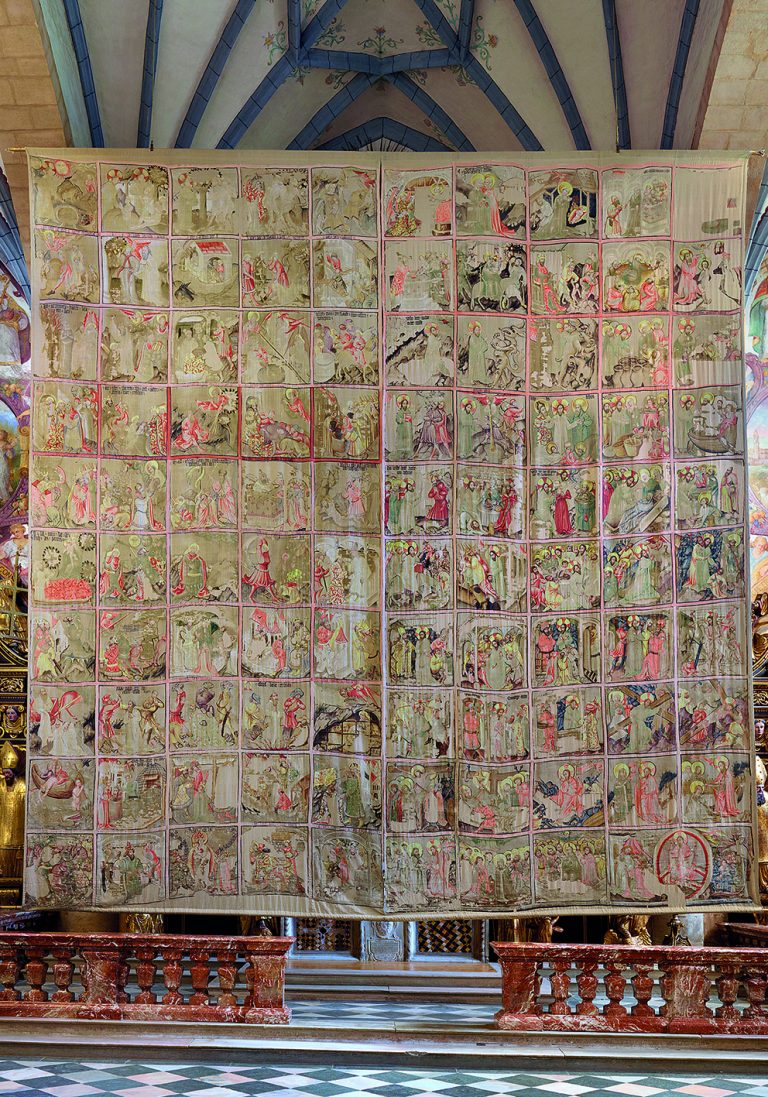
Austria’s oldest and largest Lenten cloth from Gurk Cathedral, measuring almost 9 x 9 m, contains 108 biblical scenes in 99 pictorial fields. In keeping with the medieval tradition of a “poor man’s Bible”, the story of salvation from the creation of the world to the Last Judgement is told for the illiterate. The work of art, painted with tempera on linen, comes from the workshop of the master Konrad von Friesach and is dated 1458. Outside of Lent, the work of art can be viewed in the Gurk Treasury.
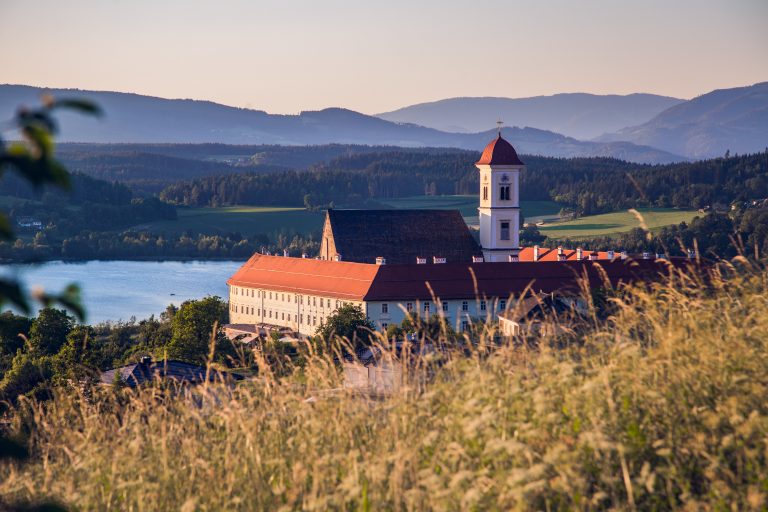
St. Georgen am Längsee Abbey
Built more than 1000 years ago as a Benedictine convent, the monastery is still a place with a special atmosphere. Today, the building complex houses a hotel with a restaurant and has its own abbey baths on the nearby lake. In the publicly accessible gardens around the monastery, the path of orientation with 16 stations invites visitors to confront the questions of life. Each station offers a trinity of experiences: Dialogue and orientation combined with Christian spirituality. Along the 5.5 km hiking trail around the lake, you will find 8 modern sculptures with contemplative prose texts.
Magdalensberg
This 1058 m high mountain in central Carinthia was already inhabited in Celtic-Roman times. Back then, the inhabitants built temples for their gods at the top of the mountain, and today the church of St. Helena and Mary Magdalene, which can be seen from afar, is enthroned there. Known as the starting point for the Vierberge Run, the village is a popular excursion destination all year round as it is easily accessible by car. On foot, the “Vierberge-Weg” offers beautiful paths through the natural landscape.
Lorenziberg
After a good 50 km walk, the church on the Lorenziberg is the finish line of the “Vierbergelauf”. This is where the pilgrims meet for the final service on the Friday of the three days. According to legend, anyone who has taken part in the Vierbergewallfahrt three times in a row is guaranteed paradise. Certainly a reason to take part. In view of the wonderful views, the Lorenziberg is a worthwhile hiking destination in itself, easily accessible from St. Veit an der Glan.
Mariendreieck
Marian devotion has a long tradition in the Görtschitztal valley. Three important Marian churches were and are the destination of many pilgrims. It all began in “Maria im Moos” in Kirchberg with a spring that was visited until the 18th century for eye complaints. The Golden Saturday, based on a Marian legend, is still celebrated in Kirchberg today. Maria Waitschach, along with many other pilgrimages, is the destination of the citizens of Judenburg every three years, who made this a vow centuries ago. Today, Maria Hilf benefits from guests from the nearby spa town of Althofen.
Karner
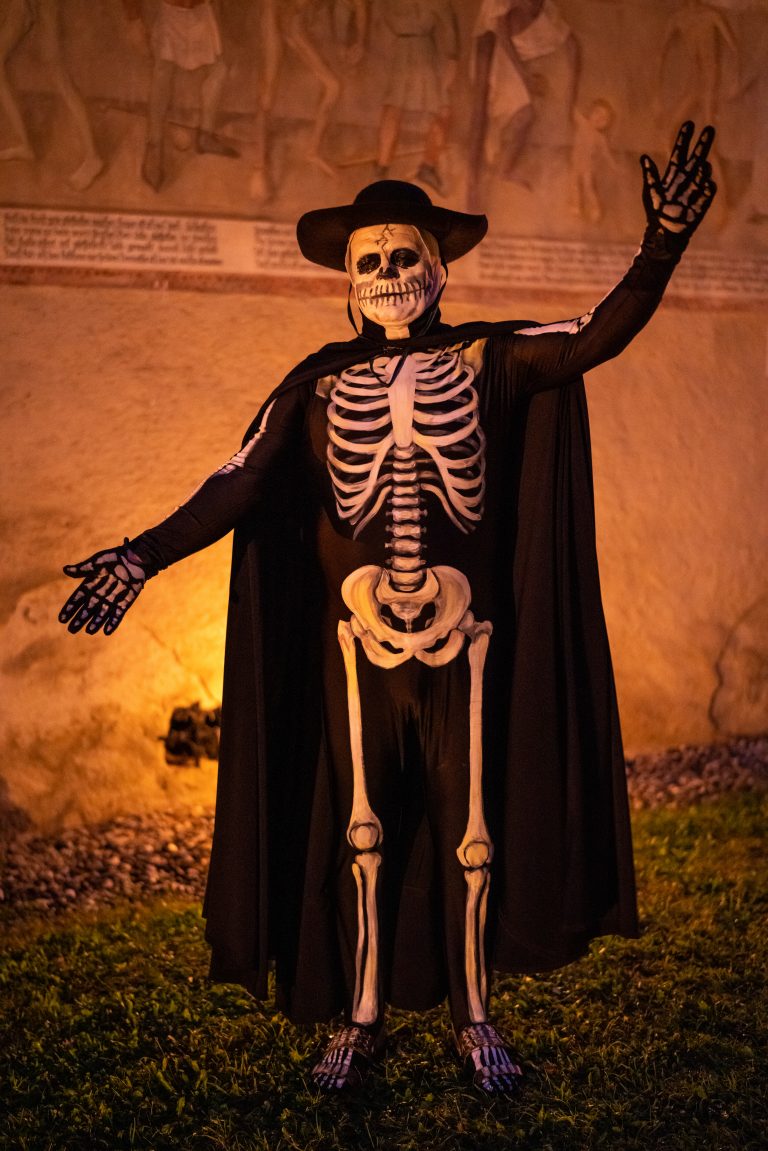
The ossuary in Pisweg is representative of the many charnel houses in the Central Carinthia region, some of which are still very well preserved. Next to the church of St. Lambert, the Romanesque round building watches over the cemetery. The bone remains from the graves were once collected in the cellar of the charnel house. The former chapel above it now serves as a burial hall. Well-preserved late Romanesque wall paintings can be found here, which are related to the art-historically significant frescoes of the bishop’s chapel of Gurk Cathedral.
Dance of death
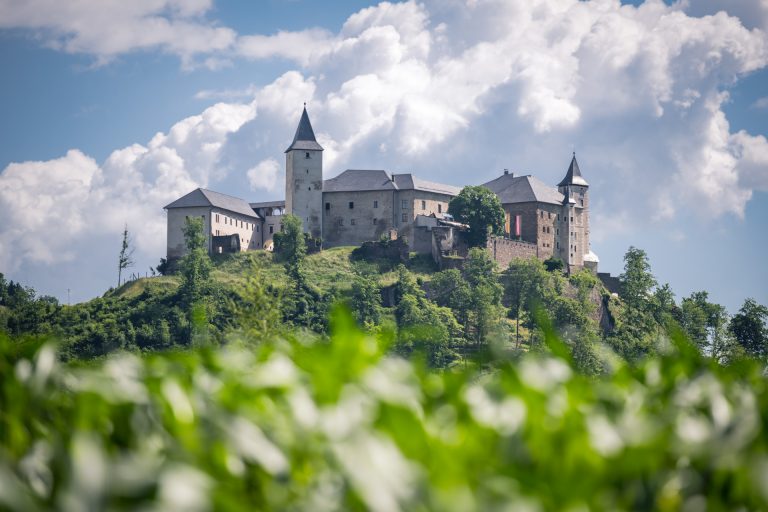
The mighty fortress of the town of the same name in the Gurktal valley was once the residence of the bishops, where they could retreat in the event of war. In addition to the pompous rooms for the ecclesiastical lords, the castle also had a dungeon for offenders. After being sentenced, the delinquents were taken up the “Poor Sinner’s Staircase” to the Maria Loretto Chapel. Here they could say a final prayer. They were then taken outside the town to the gallows, where the death sentence was carried out. Tip: The parish church of St. Nicholas and the nearby church of Lieding are also worth a visit.
Strasbourg
Built more than 1000 years ago as a Benedictine convent, the monastery is still a place with a special atmosphere. Today, the building complex houses a hotel with a restaurant and has its own abbey baths on the nearby lake. In the publicly accessible gardens around the monastery, the path of orientation with 16 stations invites visitors to confront the questions of life. Each station offers a trinity of experiences: Dialogue and orientation combined with Christian spirituality. Along the 5.5 km hiking trail around the lake, you will find 8 modern sculptures with contemplative prose texts.
Virgilienberg church ruins
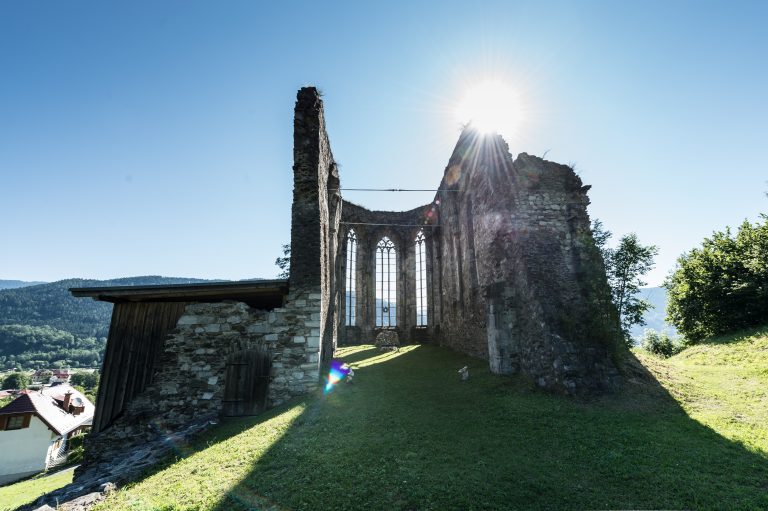
The castle town of Friesach should actually be called “church town”, as you can count 21 sacred buildings in the town. Some of them are only known today from old sources, some can still be recognized by the remains of existing buildings and many are still preserved. The ruins on the Virgilienberg are impressive, a place that invites you to linger for a while. The Dominican Church and the park near the Church of the Holy Blood, where a miracle is said to have taken place in the Middle Ages, are also places for meditative contemplation.
Mystical places
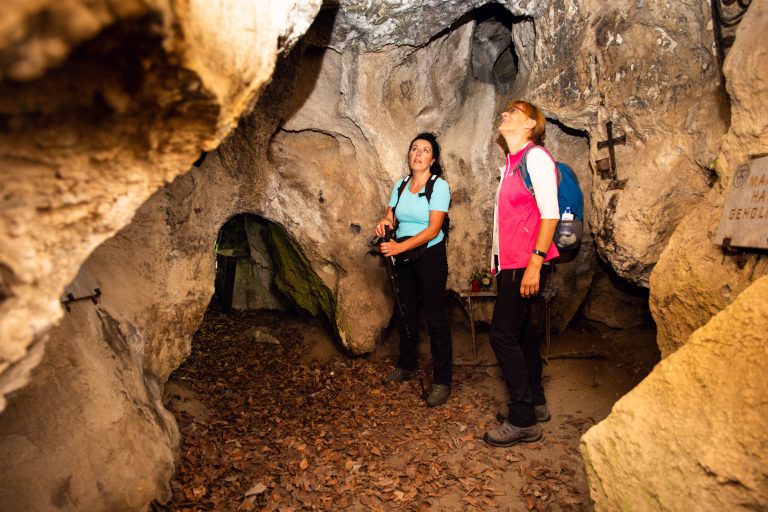
There are a number of mysterious places of power around Eberstein in the Görtschitztal valley. The source of grace at Steinmar is located on the old pilgrimage route to Maria Moos. It is said to give strength to those who pray. The Kupplerbrunnen, which is said to unite lovers, can be found on the road to the Steinerhütte. The spherical spruce and the Tote-Hengst oven are also among the mystical places here. The so-called “Holy Hole” is a rock cave near Eberstein, which probably served as a place of worship in Celtic times and is revered today as a place of worship for the Virgin Mary.
Fortified churches
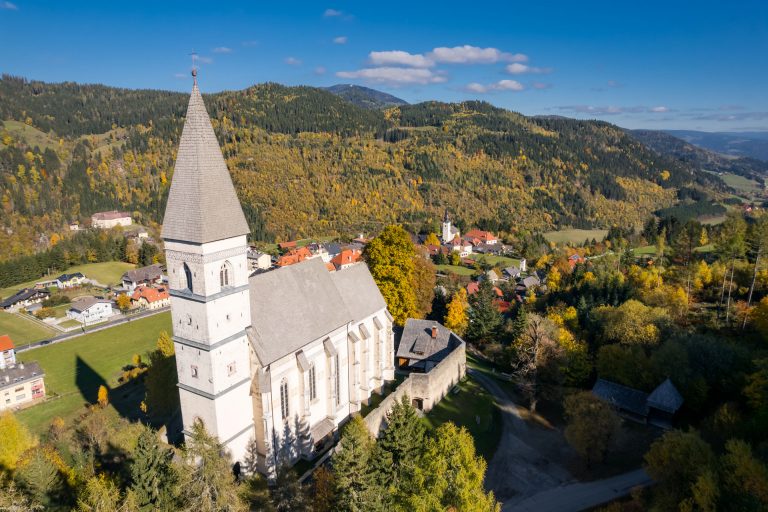
The defensive walls around the pilgrimage church of St. Wolfgang near Grades in the Metnitz Valley are up to 9 m high. Both the interior and exterior of this late Gothic sacred building have been largely preserved in their original state. The rich stonemasonry and the late Gothic high altar are remarkable. During the time of the Turkish wars, many churchyards were fortified. The fortifications around the churches in Diex, Grafenbach, Hochfeistritz, Friedlach and Tiffen have been preserved to this day.
Lingkor prayer path
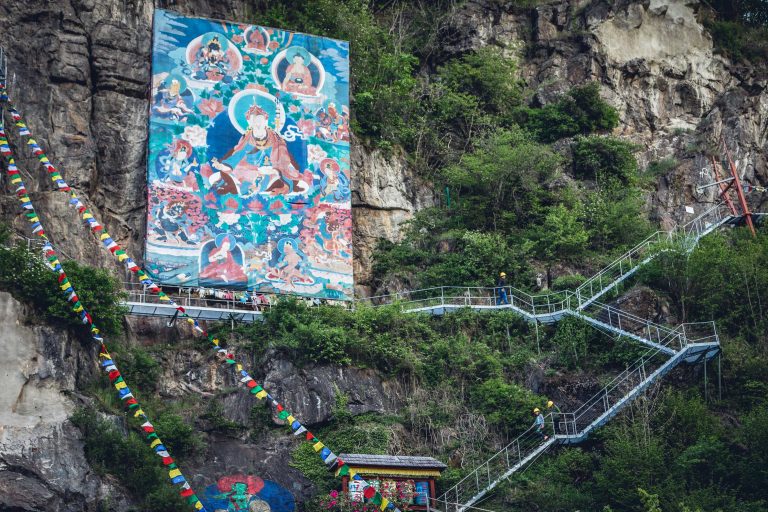
Hüttenberg is the birthplace of the explorer and mountaineer Heinrich Harrer (1912-2006). He became known above all as a teacher and friend of the Dalai Lama. Opposite the Harrer Museum in Hüttenberg, the Tibetan path invites you to spiritual experiences. When you walk through the stupa, a scaled-down replica of the destroyed west gate of the city of Lhasa, you feel transported to another world. Stone settings with prayer flags and the sacred syllable “OM” carved into the rock, outstanding figures from the Buddhist tradition, prayer wheels and a crystal stupa as a symbol of the transition into the infinite universe. The iron chain bridge should also be seen as a connecting element for all cultures and religions.
Culture house
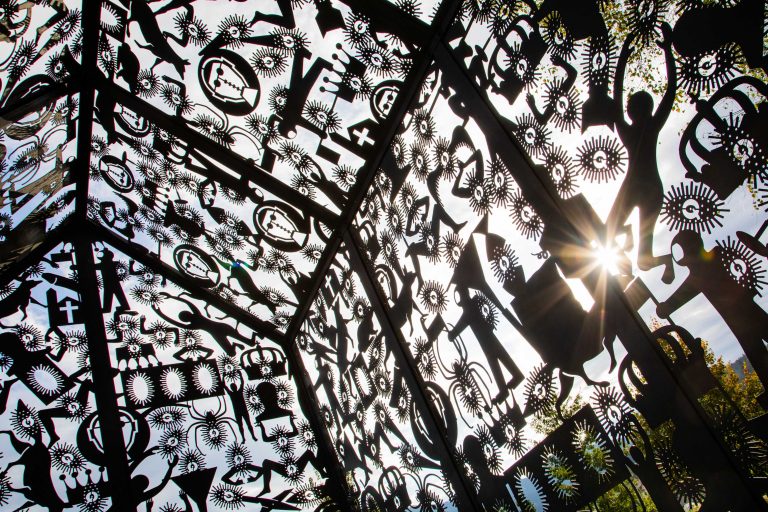
The source artist Werner Hofmeister lives and works in Klein St. Paul. His spiritual connection with modern art offers exciting new approaches in the Quellenkulturpark. His Kulturhaus resembles a small chapel and invites you to meditate on the numerous symbols. Right next to it, you can send your wishes into space with the prayer rocket and you will encounter celestial figures throughout the Quellenkulturpark. The market square in front of the municipal office in Klein St. Paul was also designed by the artist. His works can also be found in the Central Carinthia region in St. Georgen Abbey and in the church of St. Peter near Taggenbrunn. Noteworthy are the landscape frames in Hüttenberg, Maria Hilf, Kappel am Krappfeld, Guttaring, Eberstein and Brückl.